How to Choose a Diamond Engagement Ring in Columbus
Choosing a diamond engagement ring is a big moment, and if you are based in Columbus, Ohio, you have plenty of local options to explore. The process can feel overwhelming at first, but breaking it down into clear steps helps you stay focused on what matters most: finding a ring that fits your partner's taste, your budget, and your timeline.
Whether you are shopping in person at a jeweler in the Dayton area or looking at designers who serve Columbus couples, the same fundamentals apply. Understanding the basics of diamond quality, ring settings, and metal types will give you confidence when you start comparing rings.
Step 1: Set a Realistic Budget
Before you look at any rings, decide how much you are comfortable spending. This is a personal decision, and there is no fixed rule about how many months of salary you should spend. Your budget should feel manageable alongside your other financial goals, like saving for a home or a wedding.
Keep in mind that the total cost includes the diamond and the setting. If you are working with a jeweler who offers custom design, you may also pay for design time and labor. A clear budget helps the jeweler show you only what fits, saving you time and avoiding disappointment.
Step 2: Learn the Four Cs of Diamonds
Diamonds are graded on cut, color, clarity, and carat weight. These four factors determine both the appearance and the price of the stone.
Cut is the most important. It controls how well the diamond reflects light. A well-cut diamond looks bright and sparkly, while a poorly cut one appears dull even if it is large. Look for an excellent or very good cut grade for the best brilliance.
Color ranges from D (colorless) to Z (light yellow or brown). For most engagement rings, stones in the G to J range offer a near-colorless look at a lower price than D-F grades. The metal of the setting also affects how color appears: yellow gold can hide slight warmth, while white metals make it more noticeable.
Clarity measures internal flaws (inclusions) and surface blemishes. Most inclusions are invisible to the naked eye unless you go below SI2 grade. For a clean look without paying a premium, aim for VS2 or SI1 clarity.
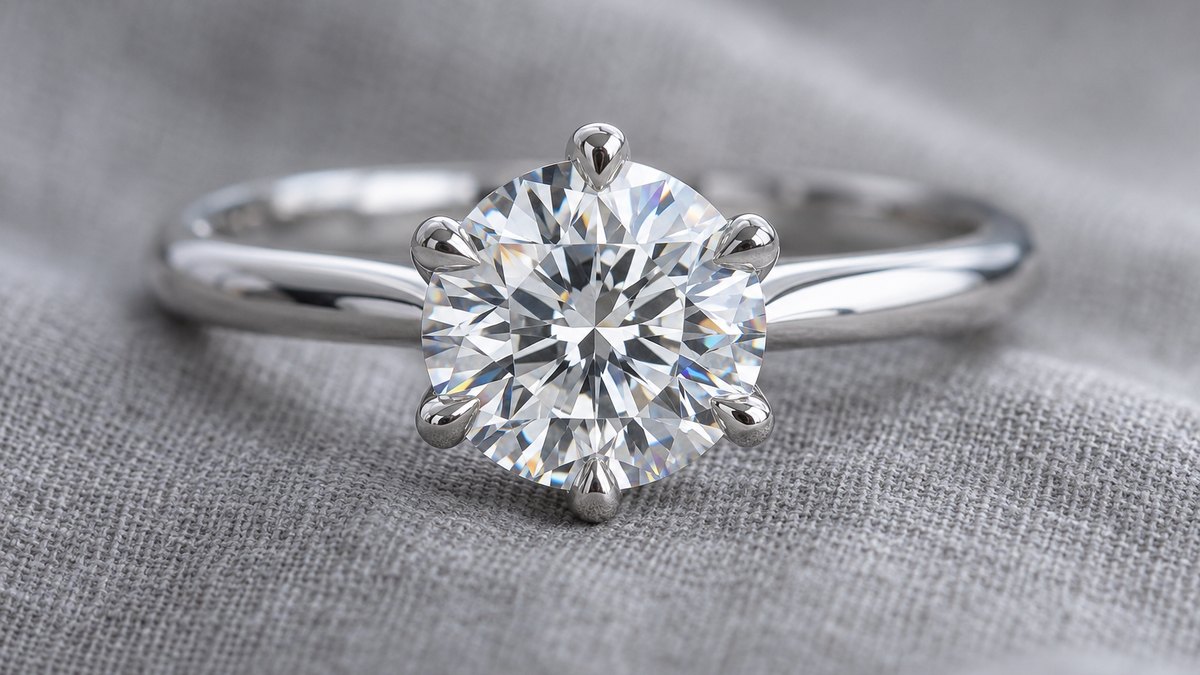
Carat weight is the size of the diamond. Larger stones cost more per carat, so a 1-carat diamond costs more than twice as much as two half-carat stones. Consider a diamond just below a popular weight, like 0.9 carats instead of 1.0, to save money without a visible difference.
Step 3: Choose a Shape That Suits Their Style
The diamond shape (also called the cut) is a matter of personal taste. Round brilliant is the most popular and sparkles the most, but other shapes like princess, oval, cushion, emerald, and pear each have their own appeal. Look at what your partner wears now: do they prefer classic, simple lines or something more unique? You can also check their jewelry collection for hints about metal color and shape preferences.
If you are unsure, a round or oval shape is a safe bet that works with many setting styles. For a more distinctive look, consider a cushion or pear shape. Keep in mind that fancy shapes can be harder to find in some inventory, so a jeweler who offers custom design can help you source exactly what you want.
Step 4: Pick a Setting That Protects the Diamond
The setting holds the diamond and defines the ring's overall look. Common options include prong, bezel, halo, and pave. A prong setting is classic and lets in the most light, but the prongs can snag on clothing if they are too tall. A bezel setting surrounds the diamond with metal, offering excellent protection for an active lifestyle. Halo settings add extra sparkle with a ring of smaller diamonds around the center stone, but they make the ring wider. Pave settings have small diamonds along the band, which adds brilliance but can be harder to resize later.
Think about your partner's daily activities. If they work with their hands, a lower-profile setting like a bezel or a cathedral setting with a secure head is a practical choice. For a classic look that is easy to maintain, a four- or six-prong setting in platinum or gold is a trusted option.
Step 5: Select the Right Metal
The metal of the band affects the ring's color, durability, and future maintenance. Platinum is the most durable and hypoallergenic, but it is heavier and costs more. White gold is a popular alternative that looks similar to platinum but may need re-plating every few years to maintain its color. Yellow gold is warm and classic, and it hides scratches better than white metals. Rose gold has a romantic pink hue that has become trendy in recent years.
Consider your partner's skin tone and existing jewelry. If they wear mostly silver or white metals, white gold or platinum will match. If they prefer gold tones, yellow or rose gold is a better fit.
Step 6: Decide Between Natural and Lab-Grown Diamonds
Lab-grown diamonds have the same chemical and physical properties as natural diamonds, but they are created in a controlled environment. They typically cost less than natural diamonds of the same quality, which can allow you to choose a larger stone or a better grade for the same budget. Natural diamonds are formed deep in the earth over billions of years and are often valued for their rarity.
There is no right or wrong choice here. Some couples prefer the tradition and rarity of a natural diamond, while others appreciate the ethical and cost benefits of a lab-grown stone. A jeweler who carries both types can help you compare them side by side.
Step 7: Work with a Trusted Jeweler
Finding a jeweler who understands your needs makes the whole process smoother. In the Columbus area, many couples visit jewelers in the Dayton area who serve Columbus customers with a wide selection of engagement rings Columbus Ohio. A good jeweler will educate you without pressuring you, and they will offer a range of options from designer bridal brands to custom design.
Ask about their return policy, warranty, and resizing options. Most rings need to be sized after purchase, and you want a jeweler who can handle that quickly if needed. If you are considering a custom design, ask to see examples of past work and discuss the timeline before committing.
Step 8: Consider Insurance and Appraisal
Once you choose the ring, protect your investment. A jewelry appraisal provides a detailed description and value estimate, which you need for insurance. Many homeowners or renters insurance policies allow you to add a scheduled personal property rider for jewelry. This covers loss, theft, or damage, often for a modest annual premium.
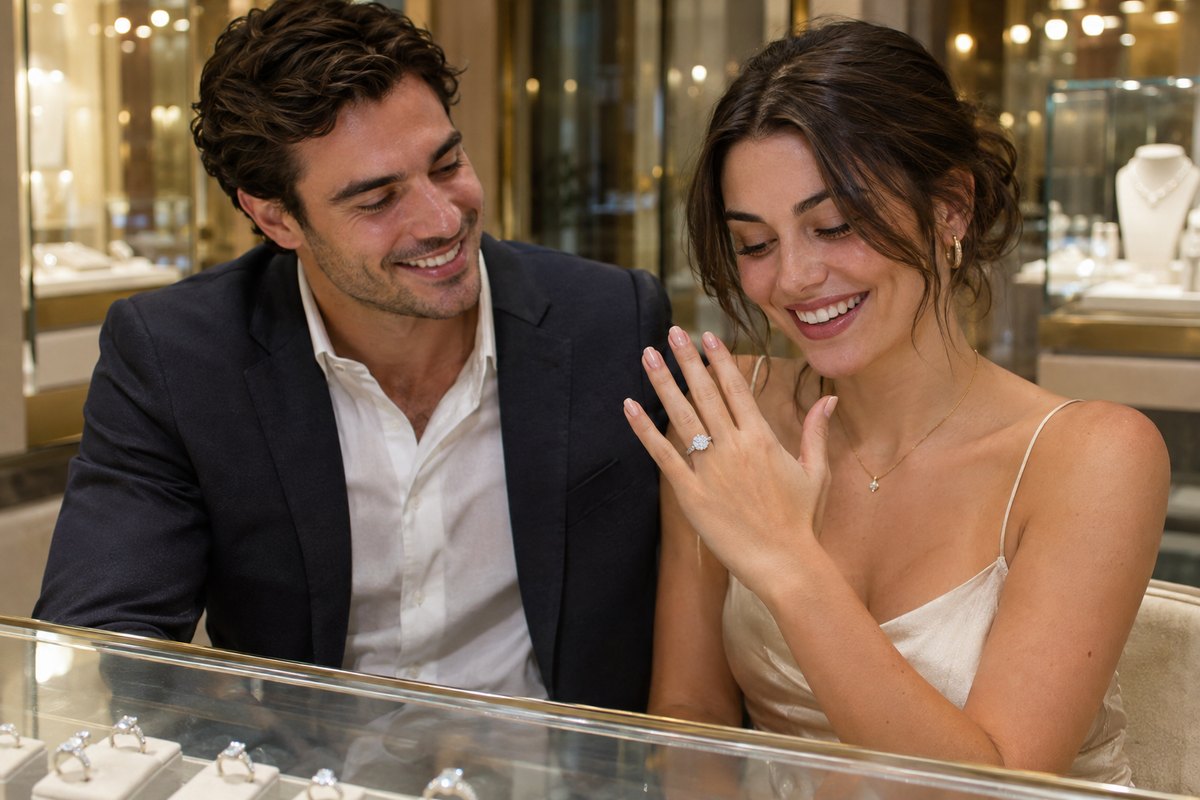
Some jewelers offer a short-term insurance policy at purchase, but read the fine print: it may not cover all situations. A separate appraisal from a certified gemologist gives you an objective value that you can use with any insurer.
Step 9: Plan the Proposal
With the ring in hand, think about the proposal itself. You do not need an elaborate setup, but a little planning goes a long way. Choose a location that is meaningful to you as a couple, whether that is a favorite park in Columbus, a quiet restaurant, or a scenic spot in Ohio. Make sure you have the ring secure and that you know her ring size before you buy. If you are unsure, a jeweler can help you estimate size based on her current rings or a discreet measurement.
Practice what you want to say, but keep it natural. The moment is about the two of you, not a scripted performance.
Final Tips for a Smooth Experience
Take your time. Rushing into a purchase often leads to regret, especially with something as meaningful as an engagement ring. If you are shopping for engagement rings Columbus Ohio, visit a few jewelers to compare options and get a feel for different styles and price ranges. Bring a friend or family member whose opinion you trust, but remember that the final decision is yours.
Keep an open mind. The perfect ring might be one you had not considered at first. Trust the jeweler's expertise, ask plenty of questions, and enjoy the process. This is a milestone worth savoring.
Ends · FINEJEWELRYNEST